
Rigid Boxes Explained: What They Are & When to Use Them
Discover what rigid boxes are, how they're made, and when your brand should use them. A packaging expert's guide to structure, materials, and finishing.
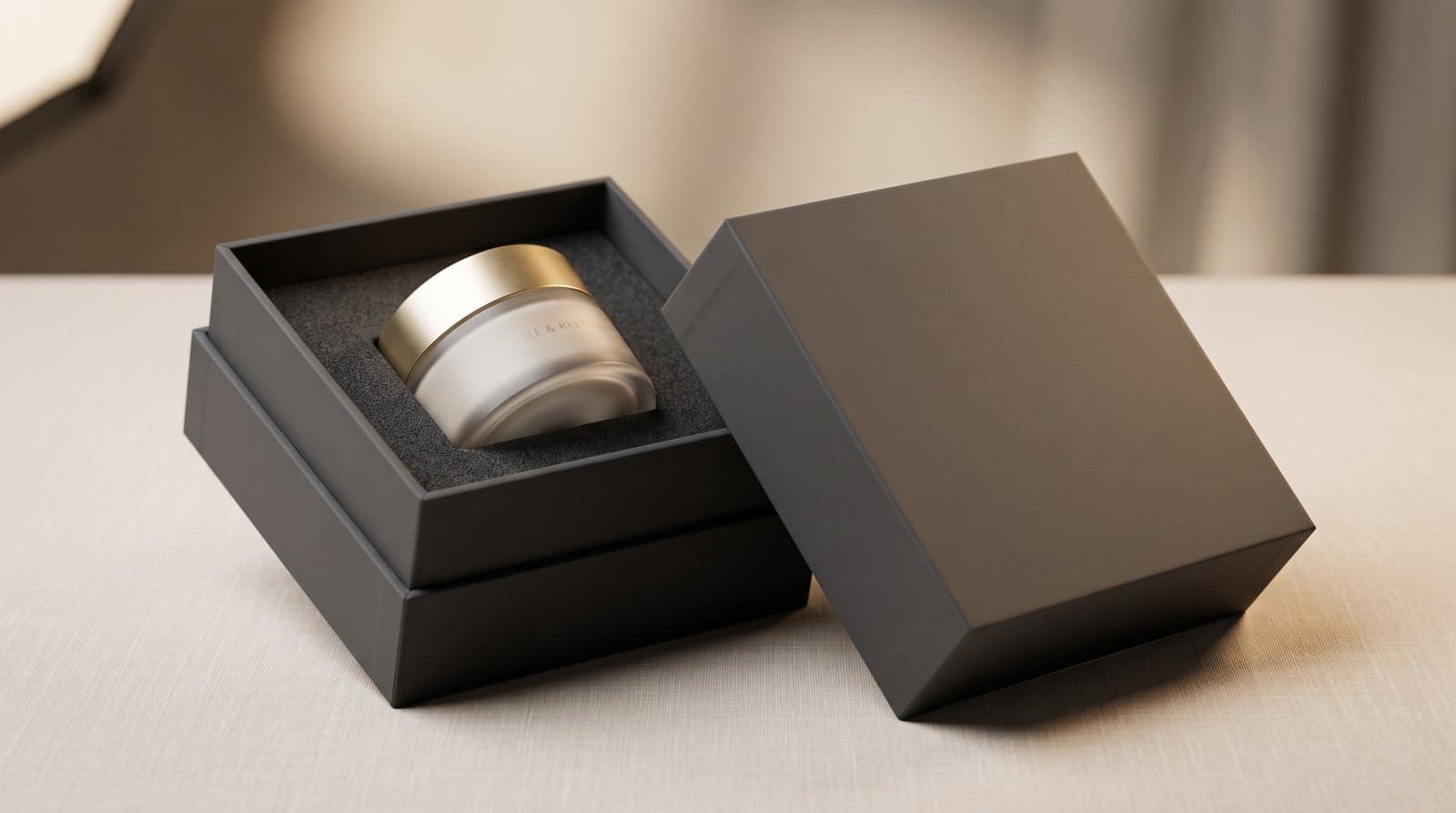
Rigid boxes are premium, non-folding packaging structures built from thick, dense paperboard (typically 1,000–2,500 GSM) that is wrapped in a decorative outer paper. Unlike a standard folding carton, a rigid box holds its shape permanently — it doesn't collapse flat for shipping — which is exactly what gives it the weighty, luxury feel associated with high-end electronics, cosmetics, and jewelry packaging. If your product needs to communicate quality the instant it's touched, this is the structure built for that job.
In this guide, we'll break down the construction, materials, use cases, and design considerations that determine whether rigid packaging is the right call for your brand — or overkill for your budget.
What Exactly Is a Rigid Box?
At its core, a rigid box (sometimes called a "set-up box") is built around a chipboard core — a dense, uncoated paperboard that provides the structural backbone. This core is typically 3–4x thicker than the paperboard used in folding cartons.
That chipboard is then wrapped, or "cased," in a decorative material — most commonly:
- Specialty printed paper (matte, gloss, or textured)
- Fabric or linen wraps for a tactile, heritage feel
- Leatherette or synthetic leather for premium cosmetics and accessories
- Kraft or recycled wraps for brands emphasizing sustainability
Because the box is assembled (not folded from a single die-cut sheet), it retains structural integrity whether it's empty or full. This is the key technical distinction between rigid boxes and folding cartons, and it's why rigid boxes are the go-to choice when perceived value matters as much as protection.
Rigid Boxes vs. Folding Cartons: Understanding the Difference
Business owners new to packaging sourcing often conflate these two categories. Here's the practical breakdown:
- Board thickness: Rigid boxes use 1,000–2,500 GSM; folding cartons use 200–400 GSM.
- Ships flat? Rigid boxes are pre-assembled and do not ship flat; folding cartons ship knocked down flat.
- Unit cost: Rigid boxes carry a higher unit cost; folding cartons are more economical.
- Perceived value: Rigid boxes read as premium/luxury; folding cartons read as standard/functional.
- Best for: Rigid boxes suit high-margin, gift-tier products; folding cartons suit high-volume retail SKUs.
Neither structure is universally "better" — the right choice depends on your product's price point, shipping volume, and brand positioning.
When Should You Actually Use Rigid Packaging?
Rigid boxes aren't the right fit for every product. Here's how to know if your brand is a good candidate.
Use Rigid Boxes When:
- Your unit price supports it. Rigid packaging typically adds meaningfully more to landed cost than corrugated or folding options, so it performs best on products with healthy margins — think $50+ retail items.
- Unboxing is part of your brand experience. Subscription boxes, gift sets, and DTC beauty brands rely on that first physical impression to drive repeat purchases and social shares.
- The product itself is delicate or high-value. Watches, glassware, electronics, and jewelry benefit from the rigid structure's superior compression resistance.
- You're building a reusable or keepsake element. Many customers keep rigid boxes for storage, which extends brand exposure well past the initial purchase.
Consider Alternatives When:
- You're shipping high volumes and need to control cost-per-unit and freight (since rigid boxes don't nest flat, shipping the empty boxes to your fulfillment center is bulkier and costlier).
- Your product is low-margin or price-sensitive.
- You need fast turnaround — rigid box tooling and assembly generally take longer to produce than die-cut folding cartons.
Key Design & Structural Considerations
If you determine a rigid box is right for your product, a few technical factors will shape the final result.
Board Weight and Wall Thickness
Heavier GSM boards create a more substantial, luxury feel but also add cost and weight (which affects shipping). Most premium retail rigid boxes land between 1,500–2,000 GSM as a balance of durability and budget.
Box Style
Common rigid box styles include:
- Two-piece (lid and base): The classic set-up box style, ideal for gift and retail presentation.
- Book-style/magnetic closure: Opens like a book, often with a magnetic clasp — popular for cosmetics and tech accessories.
- Drawer/sleeve style: A sliding inner tray within an outer sleeve, giving a satisfying "reveal" moment.
- Collapsible rigid: A newer hybrid that folds flat for shipping but locks rigid upon assembly, addressing the freight-cost drawback of traditional rigid construction.
Finishing Options
This is where rigid boxes really separate themselves from standard packaging. Common finishing techniques include:
- Foil stamping for metallic logos and accents
- Embossing/debossing for tactile, dimensional branding
- Spot UV coating to highlight specific design elements against a matte base
- Soft-touch lamination for a velvety tactile finish
Dielines and Custom Inserts
Every rigid box starts with a precise dieline — the technical blueprint that dictates how the paperboard wraps, folds, and assembles around the chipboard core. Custom foam, cardboard, or fabric inserts are frequently added inside to cradle the product securely and enhance the presentation.
A Practical Scenario
Consider a DTC skincare brand launching a $120 gift set. A standard folding carton would protect the product but wouldn't reinforce the premium price point. A two-piece rigid box with a soft-touch matte wrap, foil-stamped logo, and custom foam insert does two things simultaneously: it protects fragile glass bottles during transit, and it reinforces the $120 price tag the moment the customer lifts the lid. That combination of function and perception is the core value proposition of rigid packaging.
Final Thoughts
Rigid boxes occupy a distinct place in the packaging landscape — built for brands where the physical unboxing moment carries real marketing weight. They're not the most economical option for every product, but for premium, gift-tier, or delicate items, the structural integrity and finishing versatility are difficult to replicate with lighter-weight materials.
If you've determined that rigid packaging aligns with your product and brand goals, the next step is exploring material and construction options suited to your specific use case. You can review available custom rigid box materials and specifications to see how board weight, wrap materials, and finishing choices come together for your project.