
Custom Boxes Manufactured from a Variety of Materials
The right material changes everything. Order custom boxes manufactured from durable materials like cardboard, corrugated fiberboard, kraft paper, and rigid board to match your product and budget.
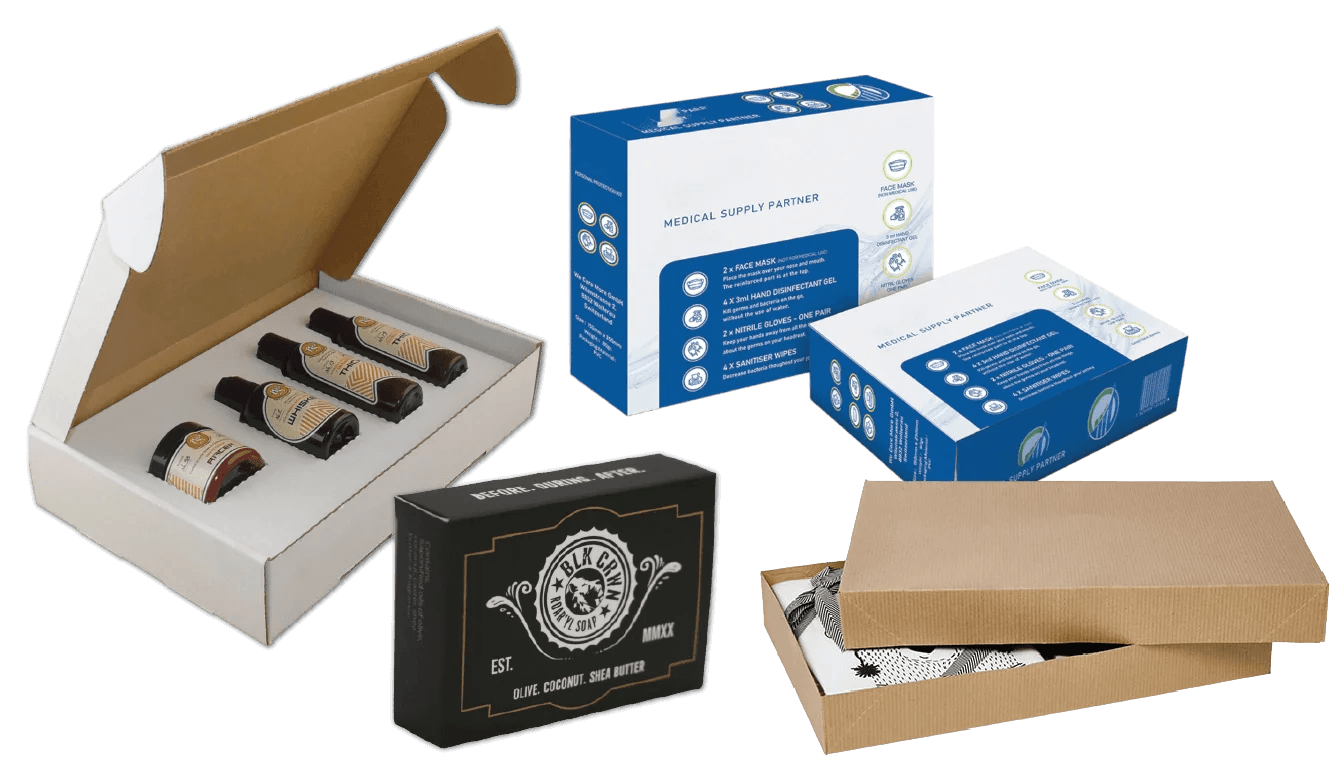
Explore By Material
Cardboard
Smooth paperboard for crisp printing and retail cartons.
Cardboard Mailer Boxes
Get custom cardboard mailer boxes manufactured for safe, self-sealing product shipping.
View Moreabout Cardboard Mailer Boxes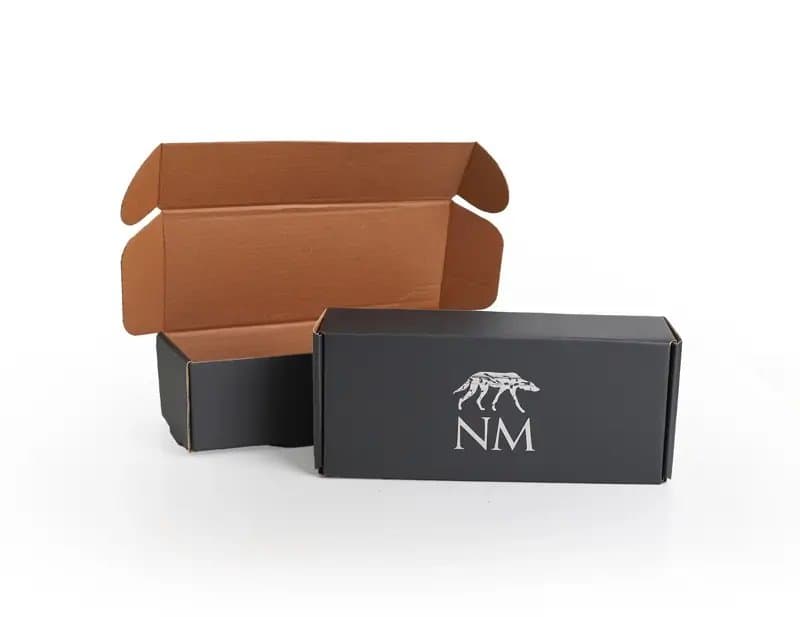
Cardboard Sleeve Boxes
Get custom cardboard sleeve boxes manufactured for a stylish sliding presentation.
View Moreabout Cardboard Sleeve Boxes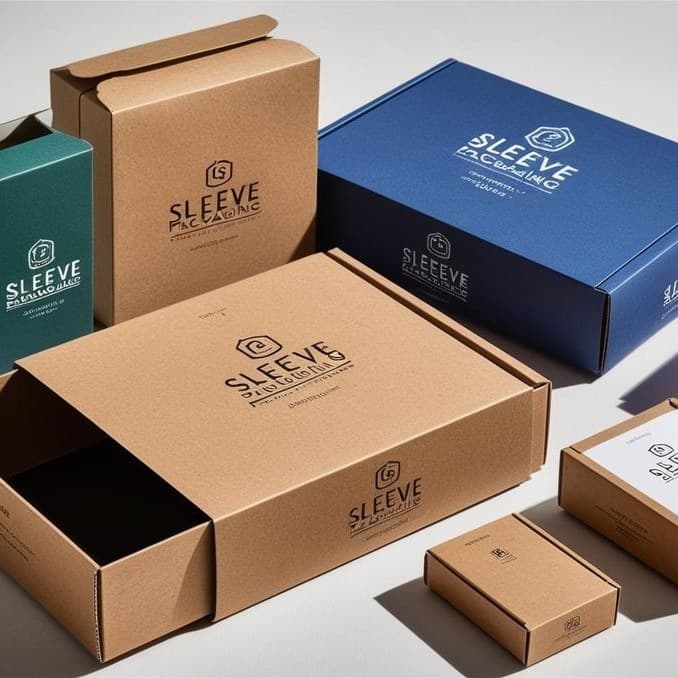
Cardboard Trays
Get custom cardboard trays manufactured to organize and support products inside packaging.
View Moreabout Cardboard Trays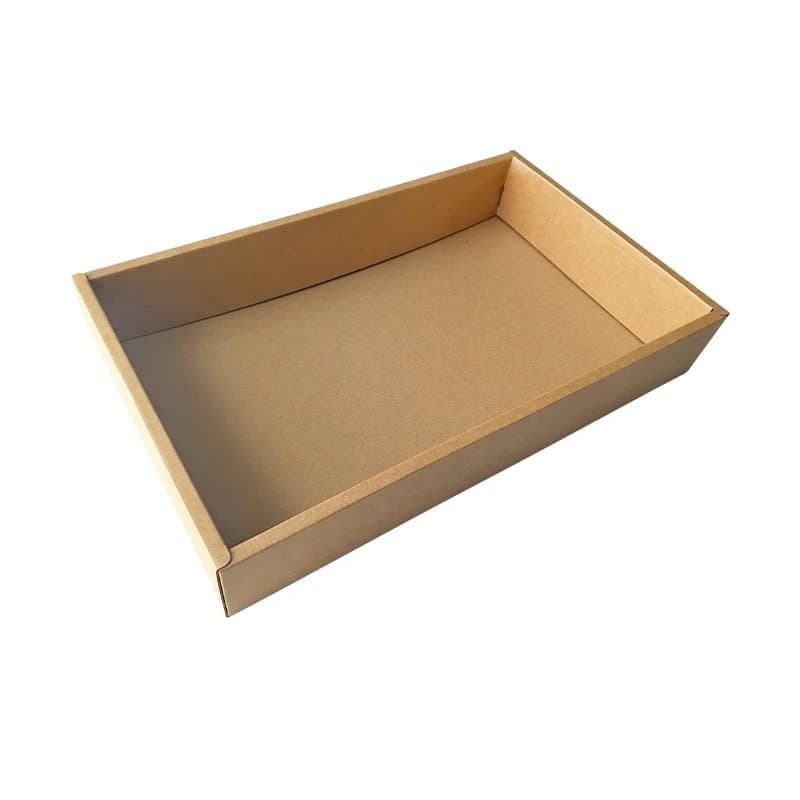
Cardboard Tuck Boxes
Get custom cardboard tuck boxes manufactured for secure, easy-open closures.
View Moreabout Cardboard Tuck Boxes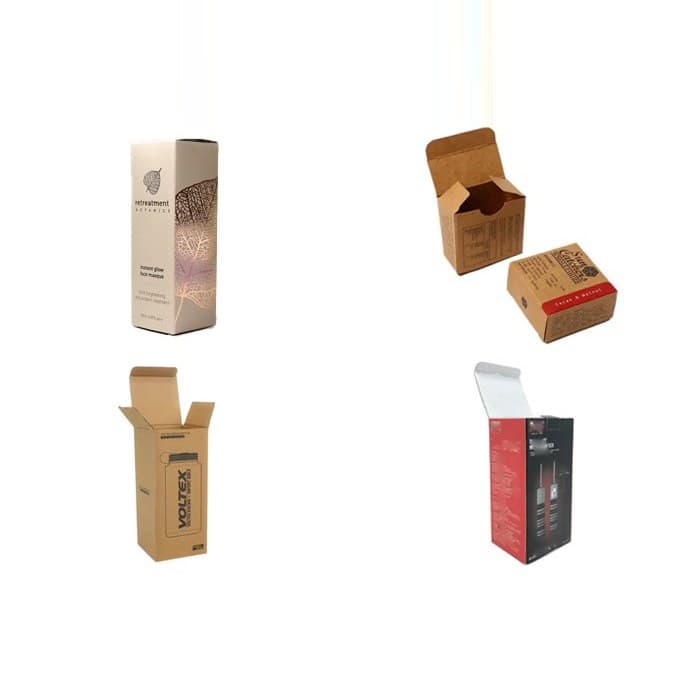
Cardboard Two-Piece Boxes
Get custom cardboard two-piece boxes manufactured with a separate lid and base.
View Moreabout Cardboard Two-Piece Boxes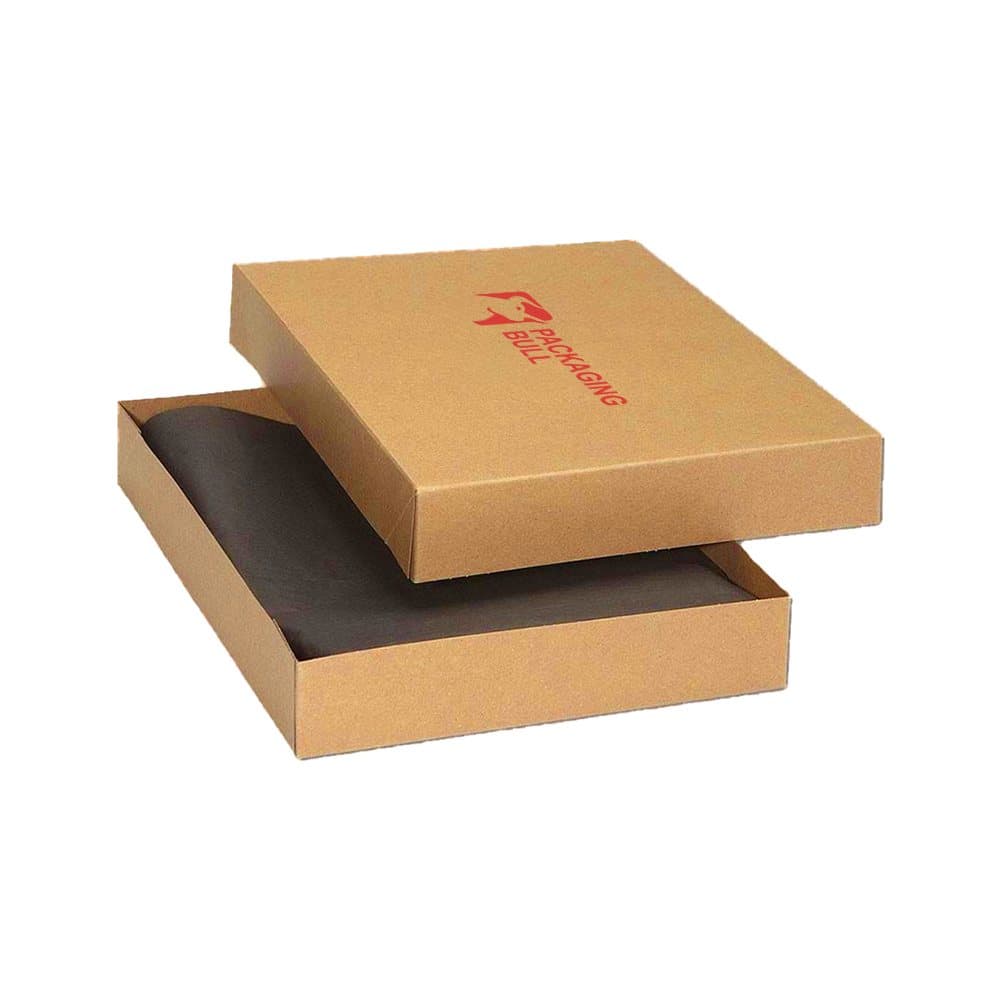
Kraft
Natural, recyclable kraft with an earthy, artisanal look.
Kraft Bags
Get custom kraft bags manufactured for lightweight, natural retail packaging.
View Moreabout Kraft Bags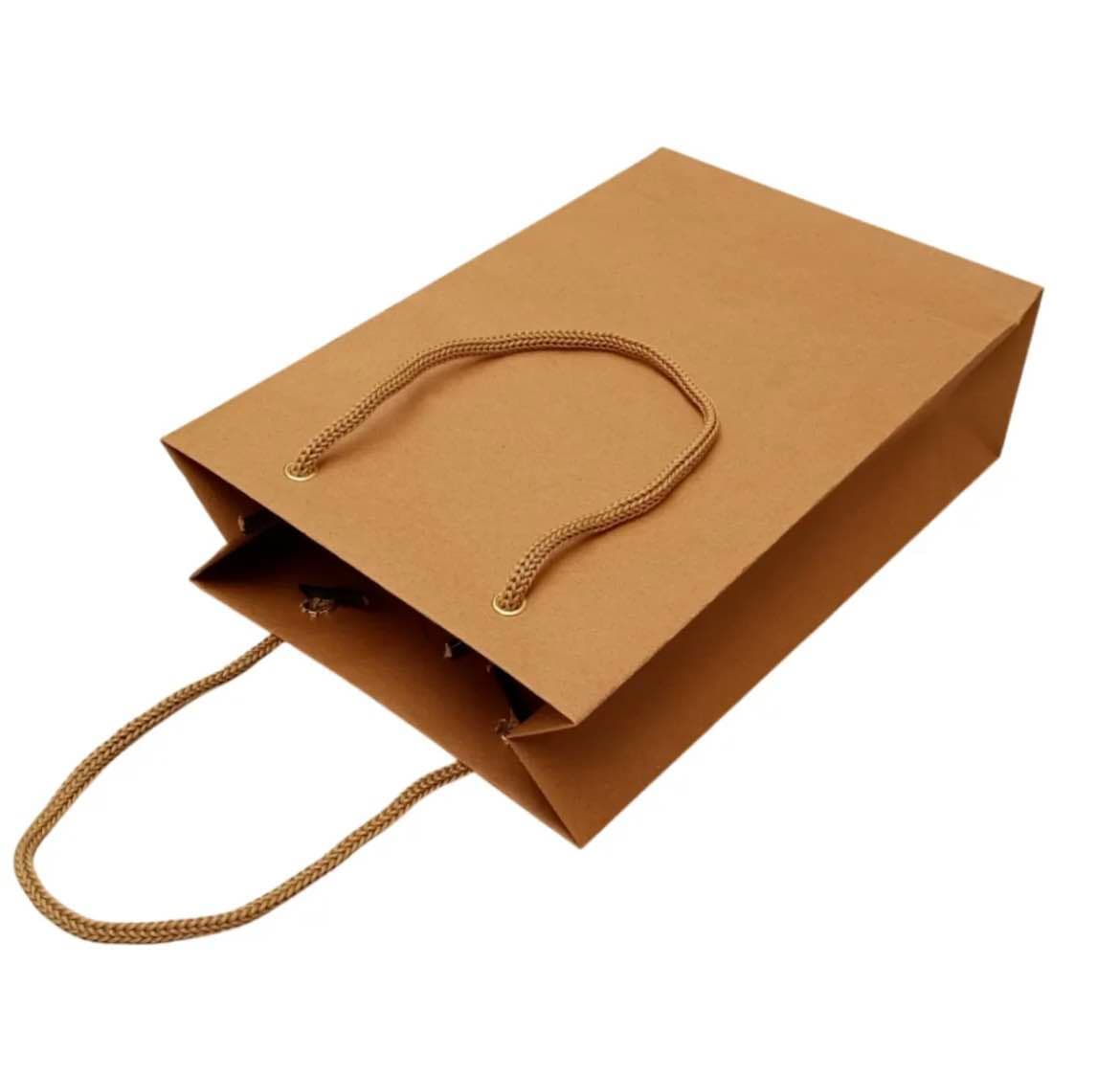
Kraft Gift Boxes
Get custom kraft gift boxes manufactured to present gifts with a rustic, eco-friendly look.
View Moreabout Kraft Gift Boxes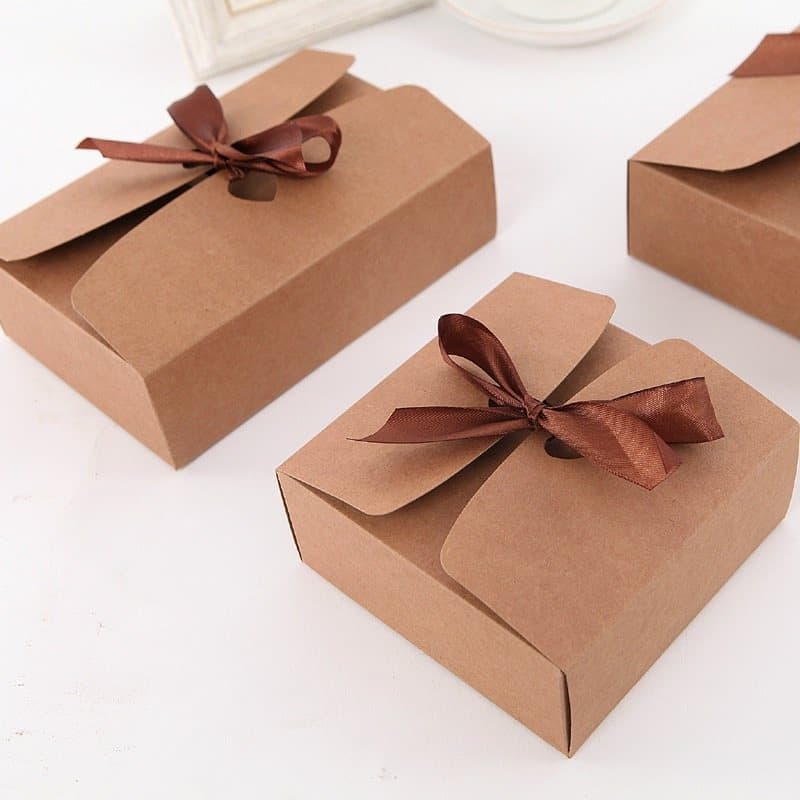
Kraft Mailer Boxes
Get custom kraft mailer boxes manufactured for natural-looking, sustainable e-commerce shipping.
View Moreabout Kraft Mailer Boxes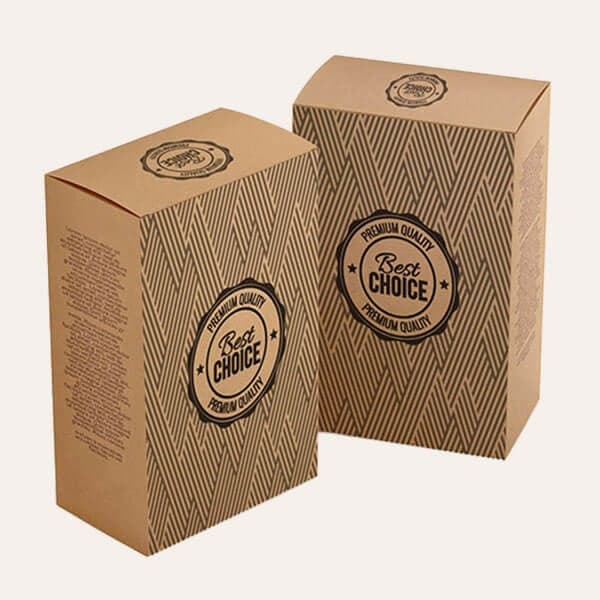
Kraft Tuck Boxes
Get custom kraft tuck boxes manufactured for secure, easy-open natural packaging.
View Moreabout Kraft Tuck Boxes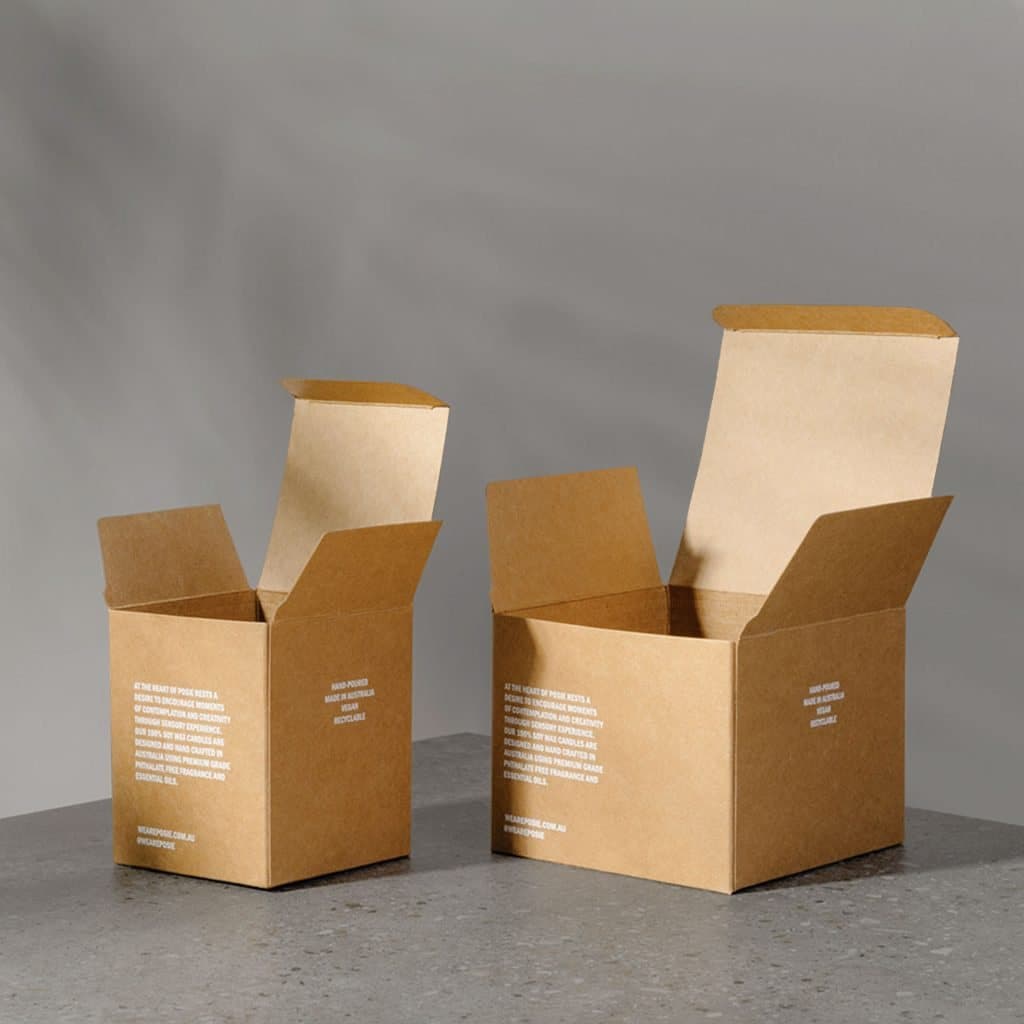
Corrugated
Fluted board that balances strength and light weight for shipping.
Corrugated Mailer Boxes
Get custom corrugated mailer boxes manufactured for secure, self-assembling e-commerce shipping.
View Moreabout Corrugated Mailer Boxes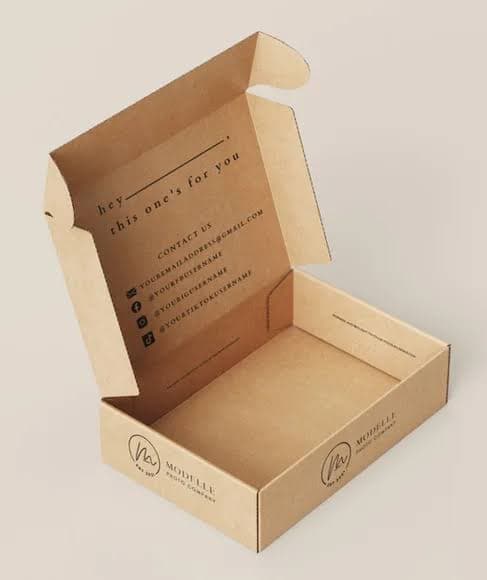
Rigid Board
Dense greyboard for luxury setup boxes that feel substantial.
Rigid Drawer Boxes
Get custom rigid drawer boxes manufactured with a sliding drawer for a premium reveal experience.
View Moreabout Rigid Drawer Boxes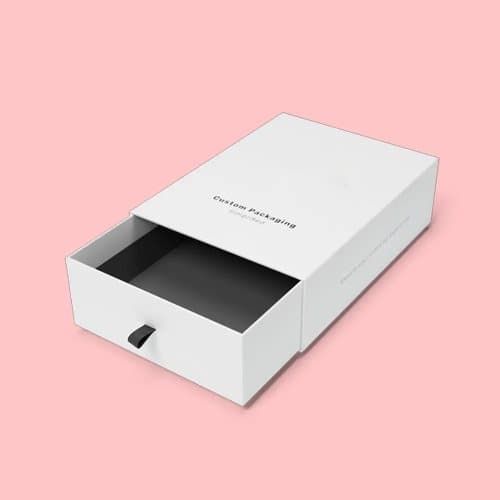
Rigid Gift Boxes
Get custom rigid gift boxes manufactured to present gifts with a sturdy, luxurious feel.
View Moreabout Rigid Gift Boxes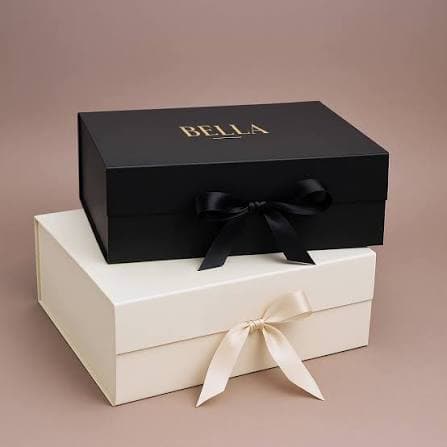
Rigid Magnetic Closure Boxes
Get custom rigid magnetic closure boxes manufactured for a secure, upscale opening experience.
View Moreabout Rigid Magnetic Closure Boxes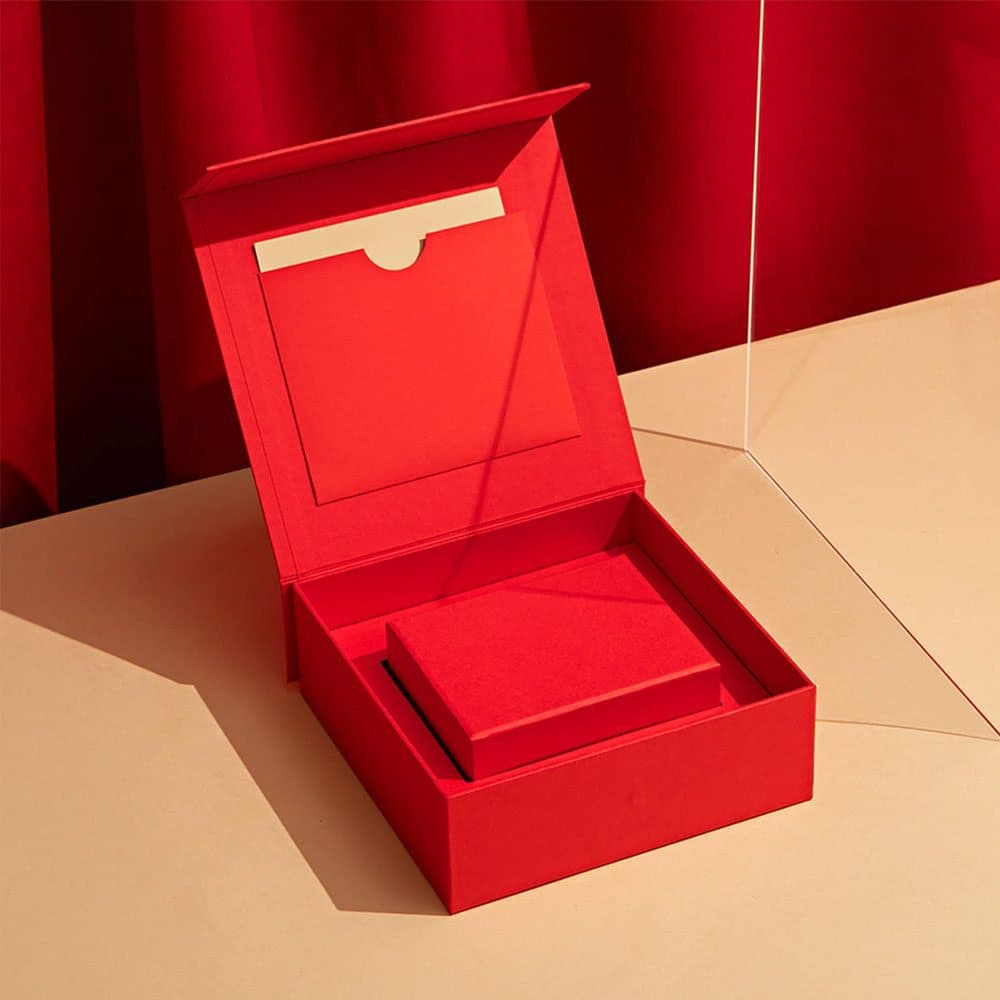
Rigid Presentation Boxes
Get custom rigid presentation boxes manufactured for high-end product displays.
View Moreabout Rigid Presentation Boxes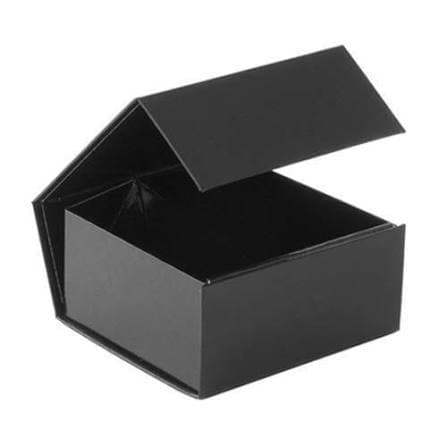
Rigid Two-Piece Boxes
Get custom rigid two-piece boxes manufactured with a separate lid and base for elegant packaging.
View Moreabout Rigid Two-Piece Boxes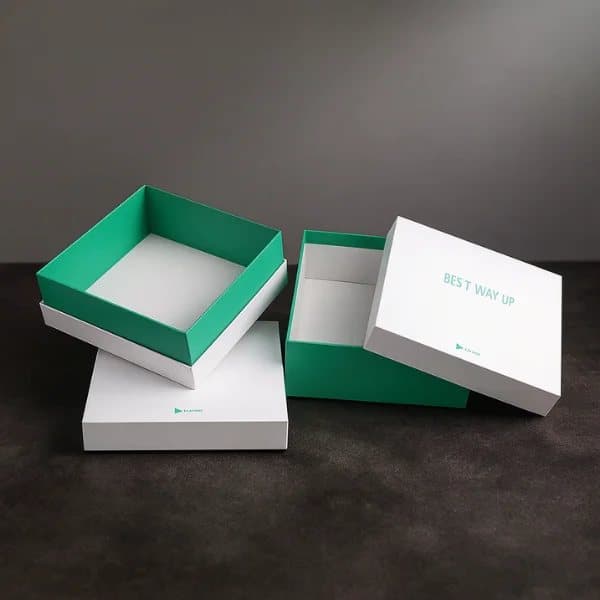
Eco-Friendly
Recycled, compostable and biodegradable materials that lighten your footprint.
Recycled Packaging
Post-consumer recycled stocks that close the loop.
View Moreabout Recycled Packaging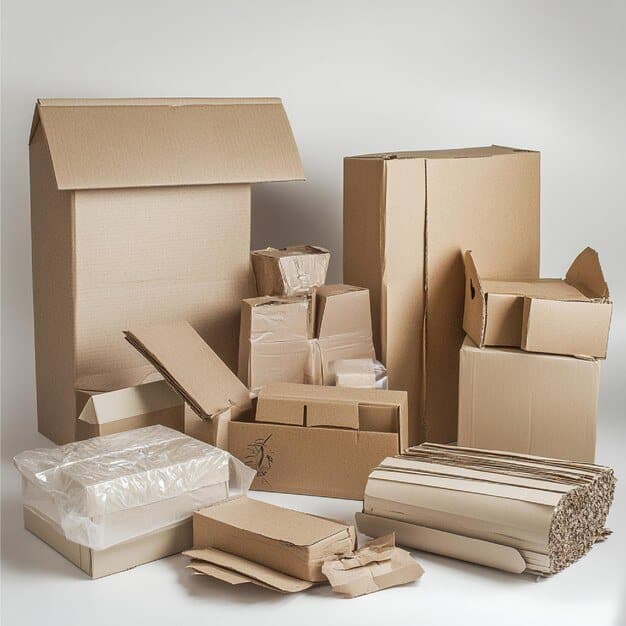
Need More Options for By Material?
Connect in real-time with our packaging specialists for free consultation and instant quote.
What Materials Are Used to Manufacture Custom Boxes
Custom boxes are manufactured from a range of materials, each offering a different balance of strength, weight, and cost. Choosing the right material is one of the most important decisions in the packaging design process, since it directly affects how well a box protects its contents, how it looks on a shelf, and how much it costs to produce and ship.
Everyday Materials: Cardboard and Paperboard
Cardboard and paperboard are manufactured as lightweight, versatile materials suited to retail, gift, and general product packaging. These materials are manufactured in various thicknesses, allowing brands to choose a lighter option for small, low-weight items or a heavier option for products that require additional structural support.
Heavy-Duty Materials: Corrugated Fiberboard and Rigid Board
Corrugated fiberboard is manufactured with fluted layers for shipping strength, while rigid board is manufactured thicker for premium presentation. Corrugated material is the standard choice for shipping boxes due to its shock-absorbing properties, while rigid board is typically reserved for luxury retail packaging where a substantial, high-end feel matters more than shipping efficiency.
Specialty Materials for Specific Needs
Beyond the standard options, custom boxes can also be manufactured from kraft paper for a natural, eco-friendly look, or card stock for a smooth, print-ready surface well suited to detailed graphics and vibrant color reproduction on retail packaging.
Choosing the Right Material for Your Product
Selecting the right material depends on how the box will be manufactured to match your product's weight, fragility, and brand positioning, and often requires balancing cost against performance and appearance.
Matching Material to Product Weight and Fragility
Heavier or fragile products are typically manufactured in corrugated fiberboard for added cushioning and support, while lighter, less fragile items can often be manufactured in standard cardboard without sacrificing protection.
Matching Material to Brand Positioning
Premium brands often choose boxes manufactured from rigid board or card stock for a more upscale look and feel, since the tactile weight and finish of these materials contribute directly to how customers perceive product value.
Balancing Material Cost with Order Volume
Material choice is also closely tied to order volume, since higher-cost materials like rigid board become more economical to manufacture at larger quantities, while smaller brands may prioritize more affordable materials like cardboard for early production runs.
Benefits of Choosing the Right Box Material
Selecting the correct material at the manufacturing stage improves both product protection and cost control across the life of a packaging program.
Improved Durability and Protection
Boxes manufactured from the right material provide better shock absorption and structural support for the product inside, reducing damage-related returns and improving overall customer satisfaction.
Sustainability and Cost Control
Materials like kraft paper and recycled cardboard are manufactured to reduce environmental impact while keeping costs manageable, giving brands a way to meet sustainability goals without significantly increasing their packaging budget.
Working with a Manufacturer to Select Materials
Choosing the right material often benefits from close collaboration with an experienced manufacturer who can recommend options based on your product's specific weight, fragility, and budget requirements rather than relying on guesswork.
Requesting Material Samples
Most manufacturers offer material swatches or sample boxes manufactured in different materials, allowing brands to physically compare weight, texture, and print quality before committing to a full production order.
Balancing Material Choice with Long-Term Costs
Material selection is manufactured around both upfront cost and long-term value, since a slightly more expensive material that reduces damage-related returns can often be more cost-effective overall than the cheapest available option.
Comparing Total Cost of Ownership Across Materials
When evaluating packaging materials, it helps to look beyond the upfront per-unit cost and consider the total cost of ownership, including damage rates, storage efficiency, and customer perception. A manufacturer can help model these factors across different material options, since a material manufactured with slightly higher upfront cost but significantly lower damage rates often delivers better overall value than the cheapest available choice.
Reviewing Material Choices as Product Lines Evolve
Brands often revisit their material choices periodically as their product line grows or shipping patterns change, working with their manufacturer to confirm that a material selected years earlier is still the most cost-effective and protective option available. Material science and manufacturing processes continue to improve, so a periodic review can sometimes reveal new options that offer better performance or sustainability at a similar price point.
FAQ
Frequently asked questions
Transform Your Product Packaging Experience With Custom Box Center
- Industry experience
- 5+ Years
- Brands worked with
- 1130+
- Customer satisfaction
- 100%
- Boxes produced
- 6M+
Industry experience
Brands worked with
Customer satisfaction
Boxes produced
- Access to over 70+ innovative ideas for packaging boxes
- Personalized boxes in different designs, styles and materials
- Lightweight and durable packaging boxes for secure shipping
- Reliable and high-quality product packaging boxes
- Budget-friendly deals for custom product boxes